Metal siding has become the go‑to solution for homeowners who want a durable exterior cladding that resists weather, lowers energy bills, and requires minimal upkeep. If you’re wondering whether metal siding fits your renovation budget, how it compares to vinyl or engineered wood, and what the installation process looks like in 2026, this guide provides the answers you need—all backed by the latest industry data and practical tips.
Why Metal Siding Is Gaining Popularity in 2026
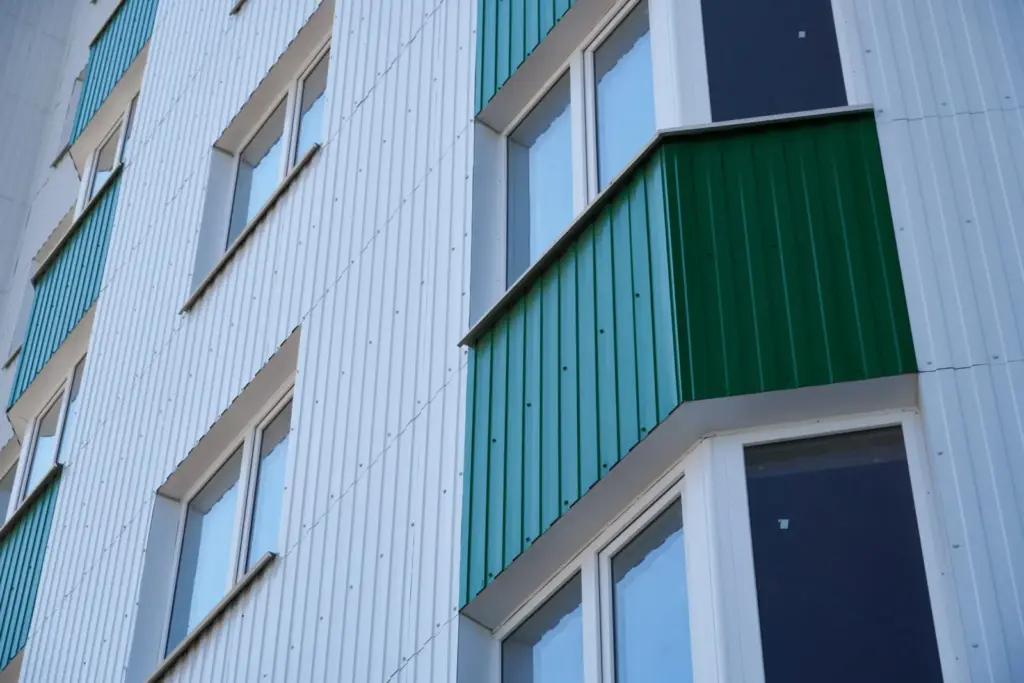
According to the National Association of Home Builders (NAHB) 2025 market analysis, residential use of metal siding rose by 7 % year‑over‑year, driven by its reputation as a low‑maintenance, weather‑resistant material. Homeowners cite three core reasons for the shift: longevity that often exceeds 50 years, superior energy efficiency thanks to reflective coatings, and a modern aesthetic that complements both historic and contemporary architecture.
Key Benefits of Metal Siding
1. Unmatched Durability
Steel and aluminum panels are engineered to withstand harsh UV exposure, hail, and even coastal salt spray without cracking or warping. The Aluminum Siding 2026 Guide notes that aluminum’s corrosion‑resistant properties reduce the likelihood of rust, making it a smart choice for humid climates.
Table of Contents
- Why Metal Siding Is Gaining Popularity in 2026
- Key Benefits of Metal Siding
- 1. Unmatched Durability
- 2. Energy‑Efficient Siding
- 3. Low‑Maintenance Option
- 4. Cost‑Effective Home Improvement
- Types of Metal Siding Available Today
- Cost Overview in 2026
- Step‑by‑Step Installation Guide
- Maintenance Tips to Extend Longevity
- Metal Siding vs. Other Common Materials
- Choosing the Right Contractor
- Common Mistakes and How to Avoid Them
- 1. Skipping the Weather‑Resistant Barrier
- 2. Ignoring Thermal Expansion Gaps
- 3. Using Incompatible Fasteners
- Real‑World Case Study: A Mid‑Century Modern Home
- FAQ – Frequently Asked Questions About Metal Siding
- Is metal siding noisy during rain?
- Can I paint metal siding myself?
- How does metal siding affect home insurance?
- What is the environmental impact?
- Future Trends: What to Expect After 2026
- Bottom Line: Is Metal Siding Right for You?
2. Energy‑Efficient Siding
Modern metal siding often includes a cool‑roof coating that reflects up to 90 % of solar heat, decreasing cooling loads in summer. A 2025 study by the Department of Energy (DOE) found that homes with reflective metal siding experienced an average of 12 % lower HVAC energy consumption compared with traditional wood lap siding.
3. Low‑Maintenance Option
Unlike wood, metal does not require regular painting or sealing. A simple wash with a garden hose and mild detergent removes most dirt, and any scratches can be repaired with a matching metal patch kit. This translates into significant time savings for busy families.
4. Cost‑Effective Home Improvement
While the upfront material cost is slightly higher than vinyl, the life‑cycle cost analysis from HomeAdvisor (2025) shows that metal siding’s longer lifespan and reduced maintenance can save homeowners up to 30 % over a 30‑year period.
Types of Metal Siding Available Today
- Steel Panel Siding: Offers the highest strength, ideal for high‑wind zones.
- Aluminum Siding: Lightweight and naturally corrosion‑resistant, perfect for coastal areas.
- Zinc‑Coated Steel (Galvanized): Provides a rustic patina that evolves over time, popular for historic restorations.
- Standing‑Seam Metal: Features concealed fasteners for a sleek, seamless look, often used on commercial buildings but gaining traction in upscale residential projects.
Cost Overview in 2026
The average material price for metal siding ranges from $5 to $9 per square foot, according to a 2026 market report by Remodeling Magazine. Installation labor typically adds $2‑$4 per square foot, depending on roof complexity and local wage rates. When combined, the total cost sits between $7 and $13 per square foot—competitive with high‑end vinyl and engineered wood options.
Step‑by‑Step Installation Guide
- Assessment & Planning: Conduct a thorough inspection of the existing wall sheathing, checking for water damage or rot. The Home Siding Guide 2026 recommends a moisture meter reading below 12 % before proceeding.
- Preparing the Surface: Remove old siding, repair any damaged sheathing, and install a weather‑resistant barrier (WRB) such as a house wrap.
- Installing the Underlayment: Apply a rigid foam board for added insulation; this improves the overall R‑value and enhances the energy‑efficient properties of metal siding.
- Mounting the Panels: Begin at the bottom and work upward, securing panels with corrosion‑resistant fasteners. For standing‑seam panels, use a concealed clip system that allows for thermal expansion.
- Finishing Touches: Seal all seams with high‑quality silicone caulk, install trim pieces, and apply a protective clear coat if the product does not already have a factory finish.
Maintenance Tips to Extend Longevity
- Inspect fasteners annually and tighten any that have loosened.
- Power‑wash the exterior once a year to prevent grime buildup.
- Touch‑up minor scratches with a matching paint or coating to prevent corrosion.
- Ensure gutters and downspouts remain clear; metal siding can funnel water toward openings if drainage is blocked.
Metal Siding vs. Other Common Materials
| Material | Life Expectancy | Maintenance | Cost (per sq ft) |
|---|---|---|---|
| Metal (steel/aluminum) | 50‑70 years | Low | $7‑$13 |
| Vinyl | 20‑30 years | Medium (repainting optional) | $3‑$7 |
| Engineered Wood (e.g., LP SmartSide) | 25‑30 years | Medium | $4‑$9 |
| Fiber Cement | 40‑50 years | Medium | $6‑$10 |
Metal siding’s superior durability and energy‑efficient performance make it a compelling choice, especially for homeowners planning to stay in their house for the long term.
Choosing the Right Contractor
Professional installation is critical to realize metal siding’s full benefits. The Find Reliable Siding Installers Near Me article outlines three criteria for vetting contractors:
- Licensing & Insurance: Verify state licensing and workers’ comp coverage.
- Portfolio of Metal Projects: Request photos of recent metal siding installations to assess quality.
- References & Reviews: Look for at least five recent client testimonials that mention adherence to timelines and clean work sites.
Common Mistakes and How to Avoid Them
1. Skipping the Weather‑Resistant Barrier
Omitting a WRB can lead to moisture infiltration, causing rot behind the metal panels. Even though metal is water‑tight, gaps around windows and doors must be sealed with a proper house wrap.
2. Ignoring Thermal Expansion Gaps
Metal expands and contracts with temperature changes. Failing to leave a 1/8‑inch gap between panels can result in buckling. Use the manufacturer’s recommended spacing guidelines.
3. Using Incompatible Fasteners
Stainless‑steel or coated fasteners are essential to prevent galvanic corrosion. Regular galvanized nails may rust faster when paired with aluminum siding.
Real‑World Case Study: A Mid‑Century Modern Home
In March 2026, a homeowner in Portland, Oregon replaced outdated vinyl siding with 24‑gauge steel panels featuring a matte charcoal finish. The project, documented by the Siding Replacement in 2026 guide, reduced annual cooling costs by 15 % and increased the property’s resale value by an estimated 8 % according to Zillow’s 2026 Home Value Index.
FAQ – Frequently Asked Questions About Metal Siding
Is metal siding noisy during rain?
When properly installed over a solid substrate with an insulated underlayment, the sound level is comparable to other cladding materials. Adding a sound‑absorbing foam layer can further dampen noise.
Can I paint metal siding myself?
Yes, but it’s best to use a high‑quality, elastomeric exterior paint designed for metal. Primer is usually unnecessary if the siding already has a factory‑applied finish.
How does metal siding affect home insurance?
Many insurers offer discounts for metal siding because of its fire‑resistant properties. A 2025 survey by Insurance Information Institute (III) shows an average 5‑7 % premium reduction for homes with metal exteriors.
What is the environmental impact?
Metal siding is highly recyclable; up to 95 % of aluminum and steel can be reclaimed at the end of its life cycle, reducing landfill waste. The Environmental Protection Agency (EPA) rates metal siding as a “green” building material when sourced from recycled content.
Future Trends: What to Expect After 2026
Advancements in nano‑coating technology promise even higher UV resistance and self‑cleaning surfaces. Additionally, integration with smart home sensors (temperature, moisture) is being piloted by select manufacturers, allowing real‑time monitoring of wall health directly from a mobile app.
Bottom Line: Is Metal Siding Right for You?
If you prioritize long‑term durability, energy efficiency, and a low‑maintenance exterior, metal siding stands out as a cost‑effective home improvement that pays dividends in both comfort and resale value. Pair it with a reputable installer and proper underlayment, and you’ll enjoy a resilient, attractive façade for decades.
For a deeper dive into material comparisons, read our Top Siding Companies 2026 guide. If you’re still unsure which siding type fits your budget, the Find the Best “Siding Near Me” in 2026 article offers a step‑by‑step decision matrix.
—
