Choosing the right siding for your house is the single most effective way to boost curb appeal, improve energy efficiency, and protect the structure from harsh weather, all without a major renovation budget. In 2026, homeowners are turning to advanced exterior cladding solutions that combine durability, low maintenance, and attractive design, and the market offers clear data on which materials deliver the best return on investment.
Why Siding Matters: The Core Benefits
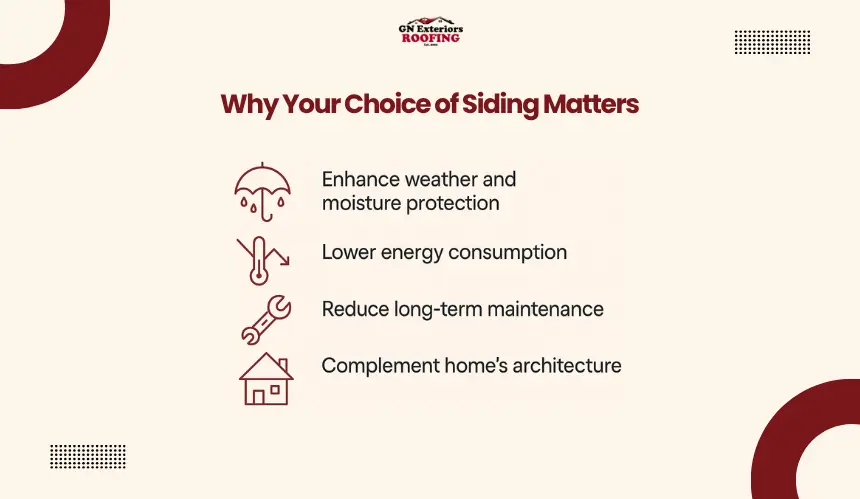
Siding isn’t just a cosmetic upgrade; it forms a protective barrier against moisture, wind, and temperature fluctuations. According to the National Association of Home Builders (NAHB) 2026 Housing Trends Report, homes with high‑performance siding see a 7‑10% increase in resale value and a 12% reduction in heating and cooling costs thanks to better insulation and air sealing.
Key benefits include:
Table of Contents
- Why Siding Matters: The Core Benefits
- Top Siding Materials in 2026
- Fiber‑Cement (Hardie Board)
- Vinyl Siding
- Engineered Wood Siding
- Metal Siding (Aluminum & Steel)
- Choosing the Right Siding: A Step‑by‑Step Guide
- Installation Essentials and Common Pitfalls
- Preparation Is Key
- Installation Techniques
- Common Errors to Avoid
- Maintenance Best Practices for Longevity
- Cost Breakdown: What to Expect in 2026
- Real‑World Case Study: A Mid‑Size Suburban Home
- Frequently Asked Questions
- What is the most durable siding material?
- Can siding improve my home’s energy efficiency?
- How often should siding be replaced?
- Do I need a building permit?
- Is DIY siding installation realistic?
- Future Trends: What’s Next for Siding?
- Bottom Line: Selecting the Ideal Siding for Your House
- Weather resistance: Modern siding materials can withstand up to 150 mph wind loads and resist impact from hail.
- Energy efficiency: Insulated panels and reflective finishes reduce thermal transfer, lowering utility bills.
- Low maintenance: Many products are fade‑resistant, mold‑inhibiting, and require only occasional washing.
- Design flexibility: From classic wood grain to sleek contemporary textures, siding offers endless style options.
Top Siding Materials in 2026
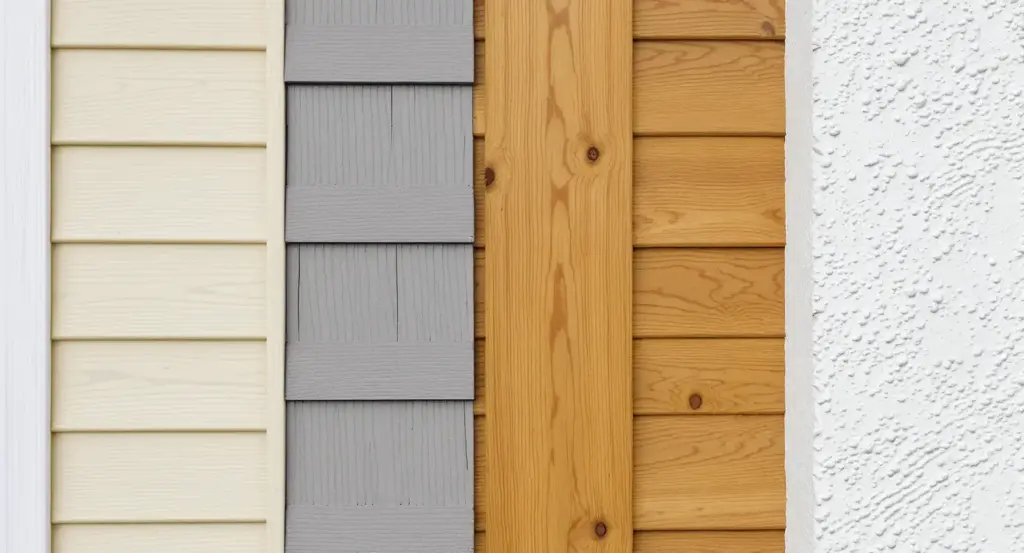
Fiber‑Cement (Hardie Board)
Hardie Board continues to dominate the premium segment due to its fire resistance, longevity (up to 50 years), and realistic wood‑like appearance. The Hardie Board Siding 2026: Ultimate Guide explains that the product’s proprietary mix of cement, sand, and cellulose fibers makes it impervious to rot, insects, and UV degradation.
Cost-wise, fiber‑cement averages $7‑$12 per square foot installed, a price point justified by its durability and the reduced need for repainting—owners typically repaint only every 15‑20 years versus every 5‑7 years with traditional wood.
Vinyl Siding
Vinyl remains the most cost‑effective siding, with installation prices ranging from $3‑$7 per square foot. Its lightweight nature simplifies installation, and modern formulations now include built‑in insulation and UV‑stabilizers that prevent warping. For a deeper dive into selection criteria and upkeep, see the Vinyl Siding 2026: Complete Guide.
Recent advances have introduced “foam‑backed” vinyl panels, which improve energy performance by adding an R‑value of 2.5 to 3.5 per inch, narrowing the efficiency gap with fiber‑cement.
Engineered Wood Siding
Engineered wood combines the natural charm of timber with a composite core that resists moisture and termites. Prices sit at $5‑$9 per square foot, and the material can be painted or stained. However, it requires a high‑quality primer and regular inspection for water intrusion, especially in coastal regions.
Metal Siding (Aluminum & Steel)
Metal siding offers unparalleled durability and recyclability. It’s especially popular in contemporary designs and in areas prone to wildfires. Installation costs average $8‑$14 per square foot, but the lifespan often exceeds 60 years. The material also reflects solar heat, contributing to lower cooling loads in hot climates.
Choosing the Right Siding: A Step‑by‑Step Guide
- Assess Climate and Exposure. Coastal homes benefit from fiber‑cement or metal, while interior‑facing walls in milder zones can use vinyl or engineered wood.
- Determine Budget and ROI. Calculate total cost (material + labor) and compare projected energy savings. NAHB data shows a 4‑year payback period for insulated vinyl in temperate regions.
- Check Local Building Codes. Fire‑rated siding may be mandatory in certain districts; for instance, many municipalities in California require a minimum Class A fire rating.
- Evaluate Aesthetic Goals. Choose a finish and color palette that complements architectural style. Remember that lighter colors reflect more sunlight, helping with energy efficiency.
- Get Professional Quotes. Use a reputable contractor. The Find Top Siding Companies Near Me in 2026 article outlines how to vet installers based on licensing, insurance, and past project reviews.
Installation Essentials and Common Pitfalls
Preparation Is Key
Before any siding goes up, the substrate must be clean, level, and properly moisture‑controlled. A common mistake is skipping the house wrap, which serves as an additional moisture barrier. Inadequate flashing around windows and doors can lead to water infiltration and mold growth within months.
Installation Techniques
Most siding systems follow a “dry‑fit” method: panels are temporarily attached to verify alignment before final fastening. For fiber‑cement, a corrosion‑resistant nail or screw set 1‑inch from the edge is recommended to prevent cracking. Vinyl installers often use a hidden fastener system that allows for thermal expansion without visible hardware.
Common Errors to Avoid
- Improper spacing of expansion gaps, leading to buckling in extreme heat.
- Skipping the recommended underlayment, which can void manufacturer warranties.
- Using the wrong fastener length—overshooting can damage interior sheathing.
Maintenance Best Practices for Longevity
Even the toughest siding requires periodic care to retain its protective qualities and visual appeal.
- Annual Inspection: Look for cracked panels, loose fasteners, and water stains.
- Cleaning: Use a low‑pressure hose and a mild detergent; avoid abrasive tools that can scratch finishes.
- Repainting: Fiber‑cement and engineered wood benefit from repainting every 10‑15 years; vinyl typically does not need paint.
- Sealant Refresh: Replace caulking around windows, doors, and seams every 5 years to maintain airtightness.
Cost Breakdown: What to Expect in 2026
| Material | Material Cost (per sq ft) | Installation Cost (per sq ft) | Total Avg. Cost |
|---|---|---|---|
| Fiber‑Cement (Hardie Board) | $7‑$12 | $3‑$5 | $10‑$17 |
| Vinyl (Standard) | $3‑$5 | $2‑$3 | $5‑$8 |
| Vinyl (Foam‑Backed) | $4‑$7 | $2‑$4 | $6‑$11 |
| Engineered Wood | $5‑$9 | $3‑$5 | $8‑$14 |
| Metal (Aluminum/Steel) | $8‑$14 | $4‑$6 | $12‑$20 |
These figures reflect average nationwide rates reported by the HomeAdvisor 2026 Cost Guide. Regional variations can be up to 20% higher in high‑cost metro areas.
Real‑World Case Study: A Mid‑Size Suburban Home
In June 2026, a 2,400‑sq ft ranch in Austin, Texas replaced its aging vinyl siding with fiber‑cement panels. The homeowner, Jane Miller, reported a 15% reduction in summer cooling costs after installing a 1‑inch insulated backer board. The project, completed by a local contractor featured in the “Top Siding Companies Near Me” guide, cost $16,500, well within her $20,000 budget. Post‑installation surveys by the Texas Energy Institute indicated that the house’s overall HERS rating improved from 85 to 70, qualifying it for a modest utility rebate.
Frequently Asked Questions
What is the most durable siding material?
Fiber‑cement and metal siding typically outlast other options, with lifespans of 50‑60 years when properly maintained.
Can siding improve my home’s energy efficiency?
Yes. Insulated siding systems, such as foam‑backed vinyl or fiber‑cement with a rigid foam layer, can add an R‑value of 2‑4 per inch, directly impacting heating and cooling loads.
How often should siding be replaced?
While the material’s lifespan varies, most experts recommend a full replacement every 30‑50 years, or sooner if you notice cracking, severe fading, or water intrusion.
Do I need a building permit?
Most municipalities require a permit for exterior cladding work, especially if it involves structural changes or fire‑rating upgrades. Always check with your local building department.
Is DIY siding installation realistic?
DIY is feasible for experienced handymen with vinyl or lightweight panels, but fiber‑cement, metal, and insulated systems often need specialized tools and safety equipment. Improper installation can void warranties and lead to costly repairs.
Future Trends: What’s Next for Siding?
By 2027, smart siding is expected to enter the mainstream, integrating embedded sensors that monitor moisture, temperature, and impact damage. Manufacturers are also experimenting with bio‑based composites that reduce carbon footprints while offering comparable durability to traditional fiber‑cement.
For homeowners eager to stay ahead of the curve, keeping an eye on emerging technologies—such as photovoltaic siding that generates electricity—will be essential. These innovations promise to transform exterior cladding from a purely protective layer into an active component of a home’s energy system.
Bottom Line: Selecting the Ideal Siding for Your House
Choosing siding is a balance of climate suitability, budget constraints, aesthetic preferences, and long‑term performance. Fiber‑cement excels in durability and fire resistance, vinyl offers affordability and ease of installation, engineered wood delivers natural beauty, and metal provides unmatched longevity. By following the step‑by‑step guide, consulting reputable installers, and committing to regular maintenance, homeowners can ensure their siding not only protects the structure but also adds tangible value for years to come.
Ready to start your siding project? Explore local experts with the Find Top Siding Companies Near Me in 2026 article, and compare material options in our comprehensive guides to make an informed, confident decision.
[ TITLE ]: Best Siding for House in 2026 – Complete Guide to Materials, Costs, Installation & Maintenance
[ META_DESC ]: Discover the top siding options for your home in 2026, with cost breakdowns, installation tips, and maintenance advice. Choose the perfect exterior cladding today!
[ TAGS ]: siding for house, exterior cladding, home improvement, energy efficiency, siding installation
[ CATEGORY ]: general
